Polyacrylamide (PAM) is widely used in industrial wastewater treatment to improve clarification, accelerate settling and enhance sludge dewatering. However, for water-treatment buyers, the key question is not simply whether PAM is needed—it is which type and grade will perform reliably in their actual wastewater system.
Hanhai Chemical supplies Anionic Polyacrylamide (APAM) and Cationic Polyacrylamide (CPAM) for industrial water treatment applications. We help customers confirm suitable specifications based on wastewater characteristics, treatment process and required performance.
Where Polyacrylamide Is Used
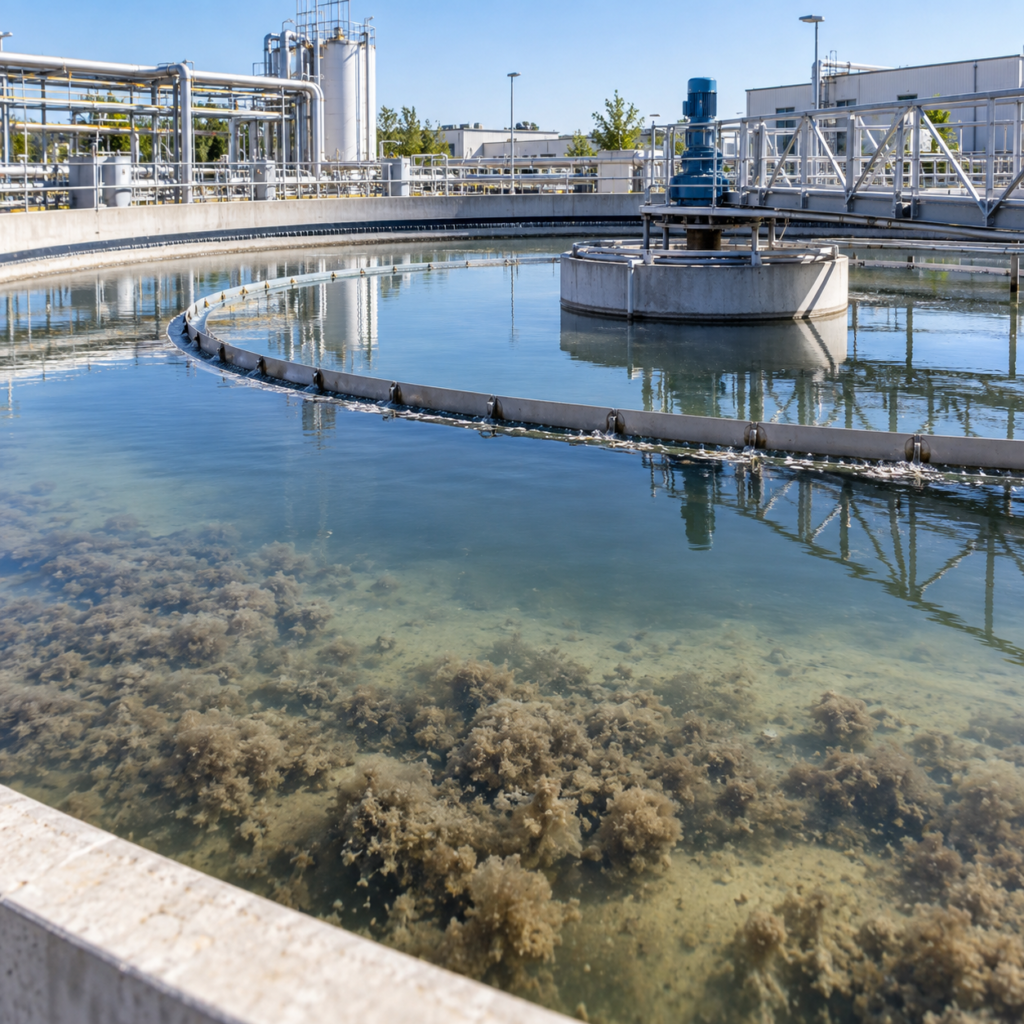
Polyacrylamide is commonly used in:
- Industrial wastewater clarification
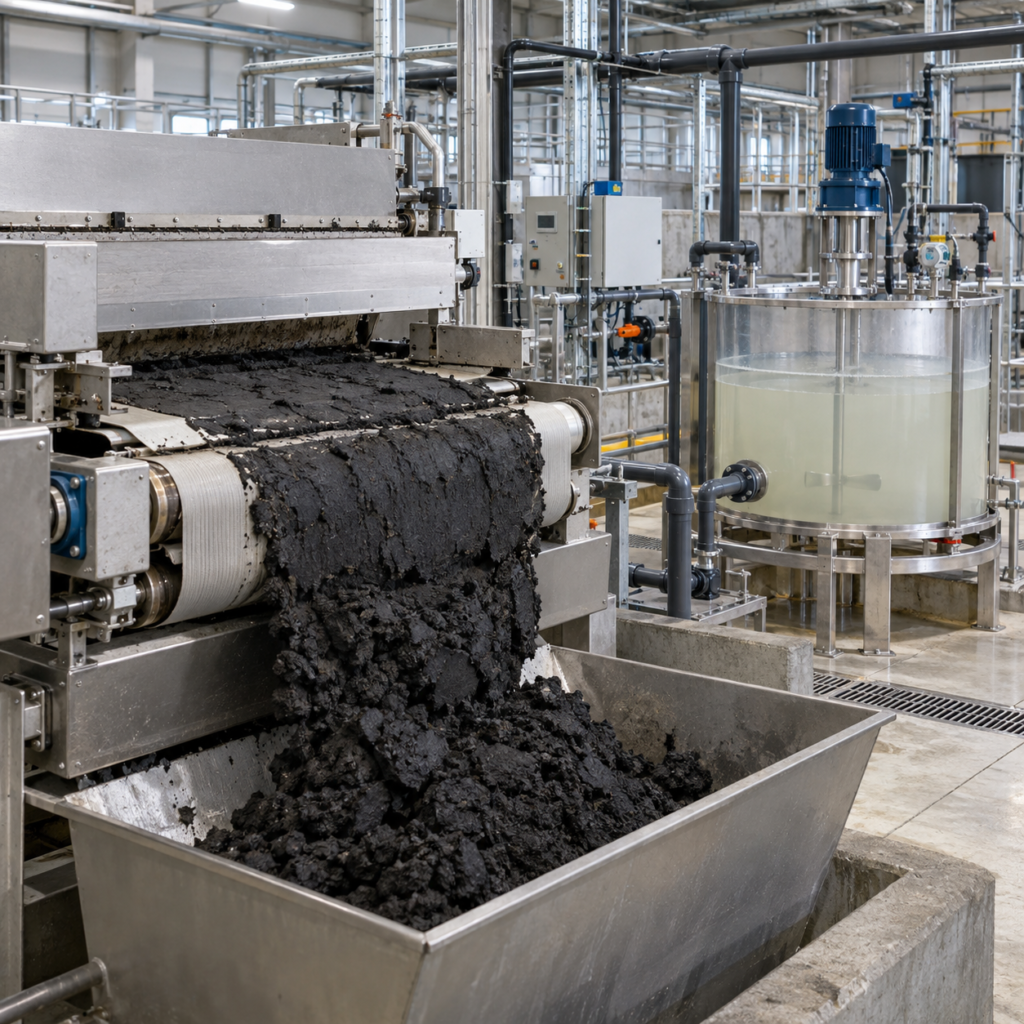
- Sludge thickening and dewatering
- Municipal wastewater treatment
- Mining and mineral-processing wastewater
- Paper-making wastewater treatment
- Oilfield-produced water and related treatment systems
- Textile, chemical and other high-turbidity wastewater
In most applications, PAM works by forming larger flocs from suspended particles. This helps improve solid-liquid separation and can support cleaner treated water and drier sludge.
What Water-Treatment Buyers Care About Most
1. Selecting the Right Ionic Type
The first concern is whether to use anionic, cationic or another suitable PAM grade.
APAM is commonly selected for many inorganic suspended solids and mineral-related wastewater systems. CPAM is often used for sludge dewatering and wastewater containing more organic matter. The correct choice depends on the particle charge, sludge properties, pH value and the overall treatment process.
Using the wrong ionic type may result in weak flocculation, slow settling, poor water clarity or excessive chemical consumption.
2. Stable Flocculation Performance
Buyers need stable results, not only a product that performs well in one small trial. They usually evaluate:
- Floc size and formation speed
- Settling performance
- Treated-water clarity
- Sludge filterability and dewatering result
- Product consumption per ton of wastewater or sludge
Molecular weight and ionic degree can significantly affect performance. A suitable grade helps customers achieve the required separation effect with a more controlled dosage.
3. Dissolution Time and Ease of Use
PAM should dissolve properly before use. Buyers are concerned about undissolved particles, “fish eyes,” slow dissolution and difficulties in their dosing system.
The product grade should be selected according to the customer’s preparation equipment, water quality, mixing conditions and required dissolution time. Proper preparation and dosing are essential for achieving consistent flocculation performance.
4. Compatibility With the Existing Treatment Process
PAM is often used together with coagulants such as PAC, polyferric sulfate or other treatment chemicals. Its performance can change according to pH, water temperature, salt content and the treatment sequence.
Before regular supply, customers should confirm:
- Wastewater source and main pollutants
- Current chemicals and treatment process
- pH range and water temperature
- Required treated-water quality
- Sludge-dewatering equipment and target moisture level
This information helps identify a suitable PAM grade and reduces unnecessary trial-and-error costs.
5. Batch Consistency and Supply Reliability
For continuous wastewater treatment, unstable polymer quality can affect plant operation and increase treatment costs. Buyers therefore pay close attention to molecular weight, ionic degree, appearance, dissolution behavior and batch-to-batch consistency.
Hanhai Chemical works with reliable Chinese production bases and provides specification confirmation, COA, SDS and export documentation to support overseas buyers.
Available PAM Types
| Product Type | Typical Water-Treatment Use |
|---|---|
| Anionic Polyacrylamide (APAM) | Clarification, mineral-processing wastewater, inorganic suspended solids, sludge thickening |
| Cationic Polyacrylamide (CPAM) | Sludge dewatering, municipal and industrial wastewater, organic sludge treatment |
| Nonionic Polyacrylamide | Selected systems with special water chemistry or low-charge particles |
The final product selection should be based on jar testing or on-site evaluation whenever possible.
Why Correct PAM Selection Matters
Selecting a suitable Polyacrylamide grade can help water-treatment operators:
- Improve settling and clarification efficiency
- Reduce sludge volume and improve dewatering performance
- Control chemical consumption
- Maintain more stable treatment results
- Reduce operational disruption caused by unsuitable flocculation
A lower unit price does not always mean a lower treatment cost. The correct grade should be evaluated according to actual performance, dosage and final treatment results.
Request a Recommendation or Quotation
To recommend a suitable Polyacrylamide grade, please send us your wastewater type, current treatment process, required ionic type if known, packing requirement, estimated quantity and destination port.
Hanhai Chemical will provide a suitable product option for your water-treatment application.